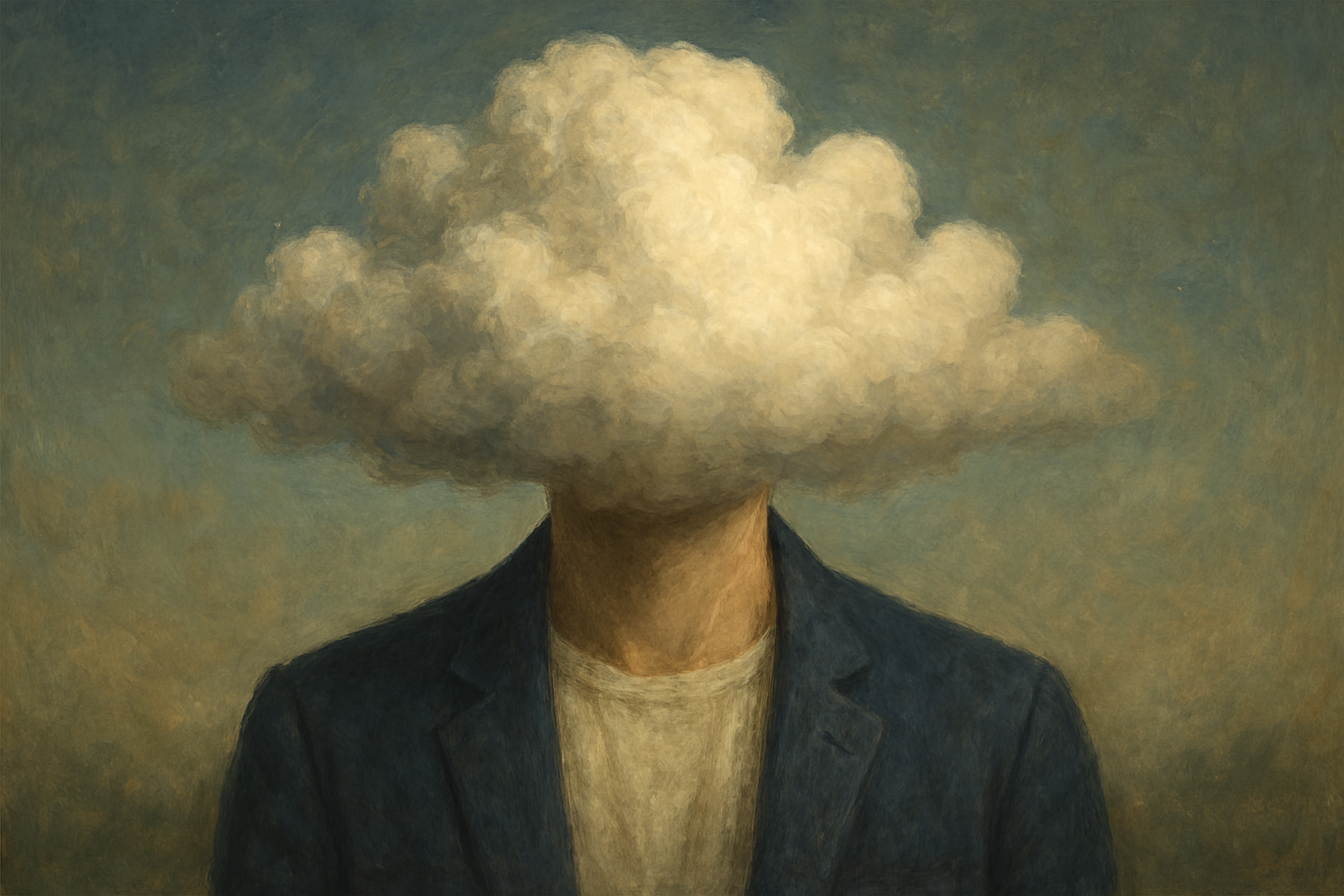
Stress is often spoken about as something mental — a busy mind, worry, or overthinking. But the body experiences stress very differently.
When the nervous system perceives threat or pressure, the body responds automatically. Muscles tighten. Breathing changes. Hormones shift. These responses are not conscious choices; they are protective patterns designed to help us cope.
When stress resolves, the body naturally returns to balance. But when stress is ongoing, overwhelming, or unresolved, those patterns can stay switched on.
When we assess for stress in kinesiology, we’re not looking for:
- how busy someone is
- how worried they feel
- how difficult their life looks on the surface
We’re listening for where the system is no longer in ease.
This can show up as:
- a nervous system stuck in protection (fight, flight, freeze, collapse)
- an energy system (chakra, meridian) that hasn’t returned to balance
- a pattern that formed at one time for survival, but is no longer serving
This is why people can understand their situation logically, yet still feel tense, fatigued, reactive, or unwell. By listening to the body’s feedback, we can identify where stress is being held and support the bodys systems to recalibrate.
In kinesiology, stress isn’t just muscular or neurological — it can be present across multiple levels:
- Physical: tension, fatigue, pain, posture, breath
- Emotional: unexpressed or unresolved feelings
- Biochemical: hormonal or energetic depletion
- Neurological: reflexive, patterned responses
- Energetic: disrupted flow, imbalance, overload
- Unconscious / subconscious: learned survival strategies
- Superconscious: the body’s deeper and innate intelligences
In a session we’ll use the biofeedback from muscles to find stress relating to an issue you may have, and use tools and protocols to help dissipate and clear the stress.
Your body knows how to let go, sometimes it just needs a helping hand.